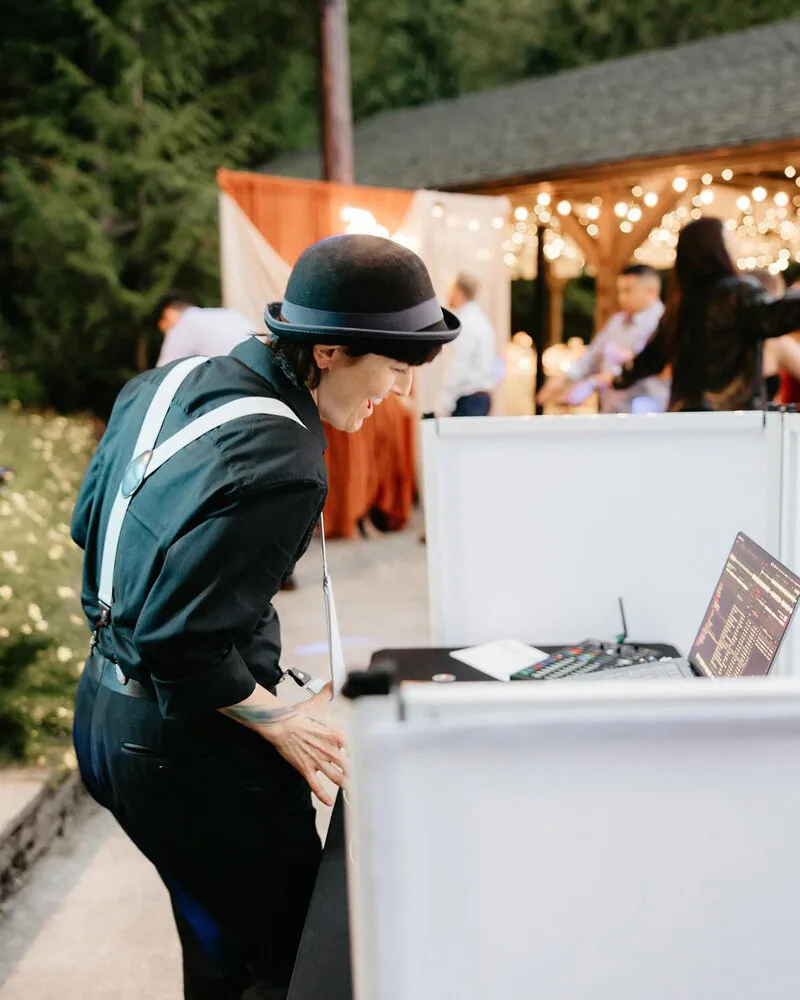
Planning Chinese wedding music for a multicultural reception takes more thought than picking a few favorite songs. You are balancing languages, generations, and specific moments across one evening. Many Seattle couples blend Chinese and English selections for guests from different cultures. Grandparents, parents, and friends often connect with very different songs. A good plan makes room for all of them without leaving anything to chance on the day.
This guide covers how to build that plan. It is not a list of the best Chinese songs. It also does not claim that Puget Sounds decides which songs are right for your family. Those choices belong to you, and this guide simply helps you organize them.
Why multicultural wedding music needs extra planning
A single-culture reception draws from one shared songbook. A multicultural one draws from several. That difference changes everything about the planning.
So the work is not just choosing songs. It means matching the right song to the right moment. The language and the audience matter just as much. When you plan Chinese wedding music with that lens, the evening feels intentional rather than random. The payoff is a reception that feels considered. Guests notice when a song lands at the right moment for the right people. They rarely notice the planning behind it, and that is exactly the point.
Our DJ support for Chinese and multicultural weddings page explains how this fits the wider service. Here, the focus is the music plan itself.
Start your Chinese wedding music list with both families
Begin with the couple’s priorities, then bring in both families. Each side may carry meaningful songs, and asking early shows respect. It also surfaces selections you might never have found on your own.
For example, one family may want a specific song for a parent dance. Another may request a piece for a tea ceremony or a toast. Gather these requests before you finalize anything. That way, no important selection gets missed. A shared list also helps both families feel seen, which matters as much as the music itself. Give both families a gentle deadline too. Open-ended requests tend to arrive the week of the wedding, which leaves no time to confirm versions. A soft cutoff a month out keeps the Chinese wedding music list manageable.
Confirm the exact Chinese wedding music version
Here is the misconception worth addressing head-on. A song title alone is often not enough.
The same title can exist as many recordings. Different artists, live versions, remixes, and covers all share names. Transliterations and platform spellings add more confusion, especially across Chinese and English catalogs. So a DJ searching a title can easily pull the wrong track.
Confirm the exact version for every key song. Note the title, the artist, the language, and the specific recording you mean. A link to the exact track removes all doubt. This one habit prevents most music mistakes at a reception. It costs only a few minutes of care up front.
Match Chinese wedding music to each moment
Every major moment deserves an assigned song. The grand entrance, the toasts, the tea ceremony, the parent dances, and any performances each carry their own tone. Matching music to these moments keeps the reception coherent.
Assign songs deliberately rather than leaving them to the night. When each cue has a confirmed track, transitions feel smooth. The DJ knows exactly what to play and when. As a result, the couple can stay present instead of fielding song questions during dinner. Think about the emotional arc too. A tea ceremony asks for something respectful and warm. A grand entrance can carry more energy. So matching tone to moment is as important as matching language.
Balance languages, cultures, and generations
A multigenerational, multilingual crowd hears the same song differently. Older relatives may connect with a classic in one language. Younger guests may want current hits in another. Both belong on the list.
Online playlists make this look simple, but real life is more layered. Families carry different regional, generational, and personal associations with the same songs. So the couple makes the final cultural choices. A good DJ supports those choices rather than overriding them. One practical approach is to alternate. A set can move between languages rather than grouping all of one together. That rhythm keeps every part of the room engaged.
Separating dinner and dance wedding music
Treat dinner and dancing as separate musical zones. Dinner music sits underneath conversation. It fills the room without competing with it. Volume stays moderate, and tempo stays gentle. The point is to support conversation, not to command the room. Elders in particular appreciate being able to talk over a meal without raising their voices. So keep the dinner set warm and unobtrusive.
Dance music does the opposite. It steps forward and drives energy. Keeping these two catalogs distinct prevents a common mistake, which is playing dance tracks while guests are still eating. Each zone has its own purpose, so each deserves its own set of songs.
Planning karaoke and live performances
Karaoke and live performances need their own preparation. Confirm the karaoke tracks and lyrics in advance. Check the exact versions, just as you would for any other song.
Before you plan karaoke, decide whether it will be a short feature or an open segment. Put its start and stop points on the reception timeline so it does not crowd dinner, speeches, or dancing.
Confirm who supplies the song catalog, lyric display, microphones, connection cables, queue management, and sound check. A DJ, venue, or separate karaoke provider may handle different pieces, so do not assume they are automatically included. Confirm the exact responsibilities and approved tracks in writing before the event.
Live performers need sound support too. Ask what they require, and plan a brief check before the reception. A singer may need a specific backing track. A live musician may need a direct input or a monitor. Sorting this before guests arrive keeps the performance clean. From coordinating events across Seattle and Snohomish, DJ Kelli notices a clear pattern. Multigenerational crowds respond better when the plan treats dinner, karaoke, performances, and dancing as distinct musical parts. Each part has its own energy, so each deserves its own plan.
Must-play and do-not-play wedding music lists
Two short lists prevent most problems. A must-play list names the songs that absolutely have to happen. A do-not-play list names the songs the couple never wants to hear.
Keep both lists specific. Include exact versions on the must-play list. On the do-not-play list, note any track that carries the wrong association for either family. So these lists give the DJ clear boundaries. They also free the couple from worrying mid-reception. One more tip helps here. Note the reason next to any do-not-play entry. A song tied to a past relationship is easier to avoid when the DJ knows the reason. The same goes for one a grandparent dislikes. For a sense of range and genre, browse our sample playlists and music genres.
Organizing your Chinese wedding music in Vibo
Once your selections are set, organize them in one place. Puget Sounds uses Vibo. This planning app lets couples assign songs to specific moments and share them directly with the DJ. That structure keeps every cue, version, and list in one clear view. It also creates a record you can revisit as plans change. A song added in spring can be swapped in summer without losing the rest of the work. So the plan grows with you rather than starting over each time.
The smoothest plans include the exact title, artist, version, language, and intended moment for each song. When your Chinese wedding music is organized this way, the reception flows without guesswork. To coordinate music with the rest of your evening, pair this with our Chinese wedding reception timeline guide. The bilingual reception planning post helps too. For broader cultural background, the overview of Chinese marriage traditions offers useful context. Lean on it as you finalize your Chinese wedding music selections.
Chinese & Multicultural Wedding Planning
Use the planning hub for the full resource library, or continue with the page most relevant to your next decision:
Chinese wedding music FAQ
Is a song title enough for your Chinese wedding music list?
No. The same title can exist as many recordings. So confirm the artist, the language, and the exact version for every key song.
How do we balance wedding music for different generations and languages?
Include songs each group connects with. Alternate between languages rather than grouping them. The couple makes the final cultural choices.
Should dinner and dance wedding music be different?
Yes. Dinner music supports conversation at a gentle volume. Dance music steps forward and drives energy. So keep the two catalogs separate.
How do we organize our Chinese wedding music?
Puget Sounds uses Vibo. It lets you assign each song to a moment and share the list with the DJ. Everything stays in one clear place.
Planning Chinese wedding music for a multicultural reception takes more thought than picking a few favorite songs. You are balancing languages, generations, and specific moments across one evening. Many Seattle couples blend Chinese and English selections for guests from different cultures. Grandparents, parents, and friends often connect with very different songs. A good plan makes room for all of them without leaving anything to chance on the day.
This guide covers how to build that plan. It is not a list of the best Chinese songs. It also does not claim that Puget Sounds decides which songs are right for your family. Those choices belong to you, and this guide simply helps you organize them.
Why multicultural wedding music needs extra planning
A single-culture reception draws from one shared songbook. A multicultural one draws from several. That difference changes everything about the planning.
So the work is not just choosing songs. It means matching the right song to the right moment. The language and the audience matter just as much. When you plan Chinese wedding music with that lens, the evening feels intentional rather than random. The payoff is a reception that feels considered. Guests notice when a song lands at the right moment for the right people. They rarely notice the planning behind it, and that is exactly the point.
Our DJ support for Chinese and multicultural weddings page explains how this fits the wider service. Here, the focus is the music plan itself.
Start your Chinese wedding music list with both families
Begin with the couple’s priorities, then bring in both families. Each side may carry meaningful songs, and asking early shows respect. It also surfaces selections you might never have found on your own.
For example, one family may want a specific song for a parent dance. Another may request a piece for a tea ceremony or a toast. Gather these requests before you finalize anything. That way, no important selection gets missed. A shared list also helps both families feel seen, which matters as much as the music itself. Give both families a gentle deadline too. Open-ended requests tend to arrive the week of the wedding, which leaves no time to confirm versions. A soft cutoff a month out keeps the Chinese wedding music list manageable.
Confirm the exact Chinese wedding music version
Here is the misconception worth addressing head-on. A song title alone is often not enough.
The same title can exist as many recordings. Different artists, live versions, remixes, and covers all share names. Transliterations and platform spellings add more confusion, especially across Chinese and English catalogs. So a DJ searching a title can easily pull the wrong track.
Confirm the exact version for every key song. Note the title, the artist, the language, and the specific recording you mean. A link to the exact track removes all doubt. This one habit prevents most music mistakes at a reception. It costs only a few minutes of care up front.
Match Chinese wedding music to each moment
Every major moment deserves an assigned song. The grand entrance, the toasts, the tea ceremony, the parent dances, and any performances each carry their own tone. Matching music to these moments keeps the reception coherent.
Assign songs deliberately rather than leaving them to the night. When each cue has a confirmed track, transitions feel smooth. The DJ knows exactly what to play and when. As a result, the couple can stay present instead of fielding song questions during dinner. Think about the emotional arc too. A tea ceremony asks for something respectful and warm. A grand entrance can carry more energy. So matching tone to moment is as important as matching language.
Balance languages, cultures, and generations
A multigenerational, multilingual crowd hears the same song differently. Older relatives may connect with a classic in one language. Younger guests may want current hits in another. Both belong on the list.
Online playlists make this look simple, but real life is more layered. Families carry different regional, generational, and personal associations with the same songs. So the couple makes the final cultural choices. A good DJ supports those choices rather than overriding them. One practical approach is to alternate. A set can move between languages rather than grouping all of one together. That rhythm keeps every part of the room engaged.
Separating dinner and dance wedding music
Treat dinner and dancing as separate musical zones. Dinner music sits underneath conversation. It fills the room without competing with it. Volume stays moderate, and tempo stays gentle. The point is to support conversation, not to command the room. Elders in particular appreciate being able to talk over a meal without raising their voices. So keep the dinner set warm and unobtrusive.
Dance music does the opposite. It steps forward and drives energy. Keeping these two catalogs distinct prevents a common mistake, which is playing dance tracks while guests are still eating. Each zone has its own purpose, so each deserves its own set of songs.
Planning karaoke and live performances
Karaoke and live performances need their own preparation. Confirm the karaoke tracks and lyrics in advance. Check the exact versions, just as you would for any other song.
Before you plan karaoke, decide whether it will be a short feature or an open segment. Put its start and stop points on the reception timeline so it does not crowd dinner, speeches, or dancing.
Confirm who supplies the song catalog, lyric display, microphones, connection cables, queue management, and sound check. A DJ, venue, or separate karaoke provider may handle different pieces, so do not assume they are automatically included. Confirm the exact responsibilities and approved tracks in writing before the event.
Live performers need sound support too. Ask what they require, and plan a brief check before the reception. A singer may need a specific backing track. A live musician may need a direct input or a monitor. Sorting this before guests arrive keeps the performance clean. From coordinating events across Seattle and Snohomish, DJ Kelli notices a clear pattern. Multigenerational crowds respond better when the plan treats dinner, karaoke, performances, and dancing as distinct musical parts. Each part has its own energy, so each deserves its own plan.
Must-play and do-not-play wedding music lists
Two short lists prevent most problems. A must-play list names the songs that absolutely have to happen. A do-not-play list names the songs the couple never wants to hear.
Keep both lists specific. Include exact versions on the must-play list. On the do-not-play list, note any track that carries the wrong association for either family. So these lists give the DJ clear boundaries. They also free the couple from worrying mid-reception. One more tip helps here. Note the reason next to any do-not-play entry. A song tied to a past relationship is easier to avoid when the DJ knows the reason. The same goes for one a grandparent dislikes. For a sense of range and genre, browse our sample playlists and music genres.
Organizing your Chinese wedding music in Vibo
Once your selections are set, organize them in one place. Puget Sounds uses Vibo. This planning app lets couples assign songs to specific moments and share them directly with the DJ. That structure keeps every cue, version, and list in one clear view. It also creates a record you can revisit as plans change. A song added in spring can be swapped in summer without losing the rest of the work. So the plan grows with you rather than starting over each time.
The smoothest plans include the exact title, artist, version, language, and intended moment for each song. When your Chinese wedding music is organized this way, the reception flows without guesswork. To coordinate music with the rest of your evening, pair this with our Chinese wedding reception timeline guide. The bilingual reception planning post helps too. For broader cultural background, the overview of Chinese marriage traditions offers useful context. Lean on it as you finalize your Chinese wedding music selections.
Chinese & Multicultural Wedding Planning
Use the planning hub for the full resource library, or continue with the page most relevant to your next decision:
Chinese wedding music FAQ
Is a song title enough for your Chinese wedding music list?
No. The same title can exist as many recordings. So confirm the artist, the language, and the exact version for every key song.
How do we balance wedding music for different generations and languages?
Include songs each group connects with. Alternate between languages rather than grouping them. The couple makes the final cultural choices.
Should dinner and dance wedding music be different?
Yes. Dinner music supports conversation at a gentle volume. Dance music steps forward and drives energy. So keep the two catalogs separate.
How do we organize our Chinese wedding music?
Puget Sounds uses Vibo. It lets you assign each song to a moment and share the list with the DJ. Everything stays in one clear place.